
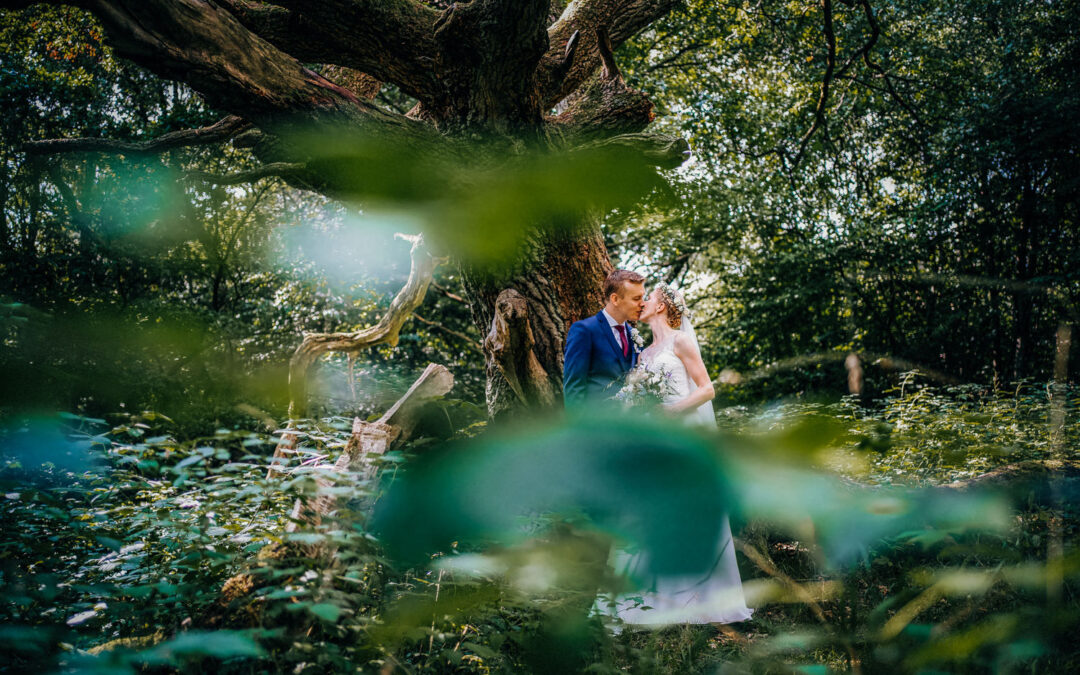
It’s important to understand exactly what you’re getting when you book a package. Danish wedding photographers are transparent about inclusions, and you should always review the package details and contract.
Below is a breakdown of common components in photography packages and what they mean for you:
- Hours of Coverage: Packages are primarily defined by the number of hours. Be sure you know when the photographer will start and finish. If your package has fixed hours (e.g., 6 hours), clarify the timeline (for example, from 1pm to 7pm). Photographers are usually flexible within reason, but if your events run overtime, expect to pay for extra hours. Additional hours can often be added at an hourly rate (a typical rate might be around 1,500 DKK per extra hour, which often includes editing of ~50 additional photos) . Discuss any schedule details in advance – for instance, if there’s a long gap between ceremony and reception, that downtime may count towards the hours unless agreed otherwise.
- Number of Edited Photos: Unlike old-school photographers who might cap the number of photos, most Danish wedding photographers shoot digitally and will provide all the good images from your day. This often means hundreds of photos. Many will guarantee a minimum number. For example, a photographer might promise “at least 300 digital images” for a 6-hour package , or “approx. 750 edited images” for a full-day 12-hour coverage . In practice, the range can be about 40-80 images per hour of shooting as a rule of thumb. As noted, some deliver 500+ for full days, while an elopement of 2 hours might yield ~150-250 images. The key is they will be edited (color-corrected, etc.). You typically won’t receive raw files; photographers deliver JPEGs in high resolution and often a set of web-size copies for easy sharing.
- Editing and Style: Included in every package is the post-processing work. Danish photographers take pride in their editing style – be it light and airy, or rich and cinematic. Expect all delivered images to be edited consistently. Black-and-white versions might be included for some shots if it suits the story. Major retouching (like removing distracting objects or heavy Photoshop work) isn’t usually standard, but basic retouching (adjusting lighting, color, small blemish fixes) is. If you have specific editing requests, discuss them beforehand.
- Delivery Format: Nearly all packages include digital delivery of photos. Typically, you’ll get a link to a private online gallery. This gallery can be shared with guests and allows full-resolution downloads. For example, one Danish photographer provides an online gallery available for one year with unlimited high-res downloads for the couple and their friends . Some photographers may also send a USB drive with the images, but this is becoming less common (often it’s optional or on request). The online gallery is very convenient for destination couples, as you can access your photos from anywhere in the world. Ensure you download and back up your images once received (galleries are sometimes taken down after 6-12 months unless extended).
- Albums and Prints: High-end packages might include a wedding album or a print credit, but many standard packages do not include albums by default. Instead, albums are offered as optional add-ons or in premium tiers. For instance, a photographer might have a “Luxury” package that includes a 30×30 cm album, or simply give you the option to purchase an album separately (common prices are around 2,000–3,000 DKK for a custom-designed album depending on size) . Prints can likewise be ordered – some photographers offer print packages or an online print shop connected to your gallery. If having a physical album is important to you, look for packages that include it or plan to allocate extra budget for it. Albums are a wonderful heirloom but can be several hundred Euros extra.
- Second Shooter: A second photographer is usually not included in basic packages but can be crucial for larger weddings. A second shooter can cover angles the main photographer can’t (like guests’ faces during the vows while the main shooter focuses on the couple, or covering groom’s prep while main shooter covers bride’s prep). Many Danish wedding photographers offer a second shooter as an add-on. Some full-day packages for big weddings might include one, but often you’ll see wording like “add a second photographer – contact for pricing.” One photographer mentions working with a skilled second shooter and encourages couples to inquire if they want that extra coverage . Budget around 2,000–4,000 DKK extra for a second shooter for the full day, but this can vary (some charge per hour, e.g., local second shooter rates might be around 300–500 DKK/hour (~€40–€70/hour) based on experience). It’s an added cost, but if you have 100+ guests or a logistically complex day, it’s worth considering to ensure no moment is missed.
- Travel Costs: If your wedding takes place within the photographer’s home city or region (e.g., Copenhagen area), travel fees are often included in the package price. However, if your venue is further away, most photographers will either charge mileage (e.g., a per kilometer rate) or a flat travel fee. For destination weddings or those on Danish islands (like Bornholm or Ærø), you should expect to cover expenses such as ferry tickets, possibly accommodation if an early start or late finish is required, and sometimes a travel fee for the extra transit time. Always ask how travel is handled: throughout Denmark, many photographers are willing to go anywhere , but clarify what costs might be added. International couples often choose popular spots like Copenhagen, which keeps travel simple (many photographers are based there), but if you’re getting married in, say, a remote castle in Jutland, ensure your photographer has a plan to get there and whether that’s included in your quote.
- Sneak Peeks & Delivery Timeline: Patience is hard when you’re excited about your photos! Thankfully, most photographers know this and will send a sneak peek. Expect perhaps 3–10 highlight images delivered digitally within a few days post-wedding (sometimes even next-day). The full set of photos takes longer because of careful editing. In Denmark, a standard delivery timeline in the contract is often about 4 to 8 weeks after the wedding for the full gallery. Six weeks is a common average for full-day weddings , but it can be shorter in winter (less busy season) or slightly longer in peak summer when photographers have back-to-back events. If you need your photos by a specific deadline (say, a reception back home or an album gift), let the photographer know; some offer rush editing services for an additional fee. While not every photographer advertises it, you can often negotiate a faster turnaround by paying extra if it’s important to you. Otherwise, trust that they’re taking the time to get everything right. Also, note that many Danish photographers keep your photos archived for a limited time (e.g., six months to a year); after that, they may purge files, so be sure to download and back them up. Some will retrieve them later for a fee if lost , but it’s best to secure your images promptly.
- Fast Delivery Options: As mentioned, if you’re in a hurry, ask about expedited delivery. For instance, a photographer could offer to deliver the full gallery in 1-2 weeks for a surcharge (this might cost a few hundred Euros extra given the added workload). Not everyone provides this, but it doesn’t hurt to ask if quick delivery is crucial for you. At minimum, you will get the sneak peeks to enjoy and share.
- Engagement Sessions or Day-After Sessions: Some packages (especially higher-end ones) might include a pre-wedding engagement shoot or a post-wedding session. This is a wonderful inclusion to get comfortable in front of the camera and have photos in casual attire or at a special location. For example, one “Deluxe” package includes an engagement shoot prior to the wedding day . If not included, photographers often give a discount on adding an engagement session when you book your wedding (one offered a 45-minute engagement session for 1,450 DKK to wedding clients, which is a special rate) . Day-after shoots (sometimes called “trash the dress” or simply romantic post-wedding portraits) can also be arranged if you want more photos in a different setting, like on the Danish coast or in the city streets without the wedding-day rush.
In summary, Danish wedding photography packages are quite comprehensive. Always read the fine print of what’s included, and don’t hesitate to ask questions.
You should know how many hours, approximately how many photos, in what format, how long until delivery, and what add-ons are available.
Optional Add-Ons and Upgrades
Beyond the core package offerings, you can often customize your wedding photography experience with optional add-ons.
Danish photographers are usually flexible in tailoring a package that fits your vision. Here are some popular add-ons and upgrades:
- Drone Photography: With Denmark’s stunning landscapes and historic cityscapes, drone shots can add a dramatic flair to your wedding album. Many photographers are licensed to operate drones or partner with someone who is. Drone coverage might not be in the standard package due to weather and permit considerations, but you can add it. For example, one photographer offers drone photography at rates like 500 DKK for 2 edited aerial images, 1,200 DKK for 5 images, or 2,300 DKK for 10 images . Typically, this includes about 20-30 minutes of flight time to capture epic overhead shots of your ceremony location or couple portraits from above . Always check legality – drones are allowed in many places but restricted near airports or certain landmarks. If you’re interested, coordinate early so any needed permissions are obtained.
- Highlight Films / Videography: Some photographers double as videographers or team up with videography professionals to provide a wedding highlight film. This could range from a short 3-5 minute cinematic recap to full documentary coverage of the ceremony and speeches. If having video is important, ask about combo packages. In Denmark, you might find a photo + video package from one provider, or you hire separate vendors. For instance, a combined photo+video full-day package might cost around 30,000–40,000 DKK for a team. If your photographer offers a small video add-on, it might be a simple highlight reel (even shot on an iPhone for a candid feel, as one Copenhagen photographer does free iPhone clips as a bonus) . Always clarify the quality and length of any video in such cases. Alternatively, your photographer can recommend a dedicated videographer if you want a full film. Many couples who elope might skip video, but for larger weddings it’s a nice addition if budget allows.
- Extra Sessions (Engagement/Day-After): As discussed earlier, an engagement shoot before the wedding or a day-after shoot can often be added. This is a great way to get more photos in different attire or locations (e.g., casual photos in Copenhagen city center, or a romantic post-wedding session on the beach at sunset). Prices for these sessions in Denmark range roughly 1,500–3,000 DKK for a short session if not included in your package . Some photographers include one of these if you book their top package. If not, you can typically book it à la carte. It’s not only about extra photos – it also helps you get comfortable with your photographer so you’re more relaxed on the wedding day.
- Albums and Prints: If your package doesn’t include an album, you can order one after the wedding. Photographers usually offer a range of handcrafted albums. Sizes and prices vary, for example: 20×20 cm albums around 2,000 DKK, 30×30 cm albums around 3,000 DKK, etc. . They often come with customization (engraved names, choice of cover material) and a set number of pages. You can also request parent albums or mini-books as copies (some offer mini albums for a few hundred DKK as gifts for family) . Fine art prints and framed enlargements can also be purchased. While these are optional, having a physical album or prints can be a worthwhile keepsake from your Denmark wedding – and ordering through your photographer ensures professional quality. You can decide on this after seeing your photos; there’s no rush to choose an album package upfront unless a bundle saves you money.
- Second Shooter: As mentioned, a second photographer can be added. This is more of an upgrade to existing packages. If you feel one photographer might not suffice (due to guest count or logistics), ask for a quote for a second shooter. It typically increases coverage of guest candids and allows simultaneous photography of separate moments. Pricing is variable, so get a custom quote – it might be a flat fee or hourly. Even if not initially booked, you can often add this closer to the date if you change your mind (provided the photographer can secure an assistant for that day).
- Faster Delivery / Extra Edits: Some photographers might offer a rush editing service (as discussed in delivery options) for a fee. Additionally, if you want extra edits – for example, maybe you want a few images Photoshopped beyond the standard editing (like removing a person or object, or doing beauty retouching), see if they offer a per-image retouch fee. These are usually niche requests, but international couples sometimes ask for magazine-style edits or special effects, and photographers can accommodate for an extra cost or direct you to an editor.
In short, think of add-ons as ways to personalize your package. Not every couple will need all of these; decide what matters most to you. A drone might be amazing if you’re getting married by a cliff or castle, whereas a second shooter might be crucial if you have a big guest list.
Discuss options with your photographer they often have bundle deals or can advise what additions would most enhance your specific wedding coverage.
Tips for Choosing the Right Package
With so many options, how do you decide on the best package for your wedding in Denmark? Here are some practical tips to help you choose the right fit based on your wedding type, size, and budget:
- Match Coverage to Event Size and Schedule: Consider the length and flow of your wedding day. Eloping in Denmark with just the two of you? A 2-hour elopement package might be perfect to cover the ceremony and beautiful portraits around town. Having a small dinner with 20 guests? Maybe a half-day (5-6 hours) will cover ceremony through dinner and toasts. Big traditional wedding with 100 guests? You’ll likely want a full-day package (10+ hours) to capture getting ready, ceremony, reception, and dancing – and possibly a second shooter for comprehensive coverage. Essentially, intimate and simple = fewer hours; large and complex = more hours.
- Identify Your Must-Have Moments: Decide what moments are most important to have photographed. If you don’t care about prep photos or the late-night party, you could save money with a shorter package that focuses on the ceremony and key portions of the reception. On the other hand, if the dance floor antics or sunset couples portraits are must-haves, ensure your photographer will be there at those times (which might mean a longer package). Plot out a rough timeline of your day and see where you’d regret not having a photographer present. This will guide whether a half-day vs full-day makes sense. For multi-day Indian or cultural weddings with multiple ceremonies, talk to photographers about custom coverage – you might not need them continuously, but you do need them at each event.
- Budget Considerations: Be upfront with yourself about budget. Photography is typically around 10-15% of a Danish wedding budget. If you have a figure in mind (in DKK or EUR), look at what packages fall in that range and what they include. If your budget is on the lower side, you might opt for a shorter coverage or a photographer with more basic packages. You can also consider weekday or off-season weddings – many photographers offer discounts for Monday-Thursday weddings or winter dates , which might allow you to afford a higher package for the same budget. Another tip: if deciding between packages, book a middle package and you can often upgrade later. Photographers may allow you to start with, say, 6 hours, and a month before the wedding if you decide you want 8 hours, you can pay the difference to upgrade (assuming they haven’t booked something immediately after your time slot).
- Consider Add-Ons Early: If you know you want something like an album or a second shooter, factor that in. It might be more cost-effective to purchase a bundle or a higher package that includes it, rather than adding piecemeal later. For example, if a “top package” includes an album and an engagement session and is within budget, that could be better value than paying a la carte for a mid package + album + session separately. However, if those extras don’t matter to you, a simpler package might suffice. Think about your priorities: do you value an album (tangible memories) or would you rather have extra hours of coverage? Do you want video footage or just photos? Your priorities will guide the package choice.
- Size of the Guest List: If you have a very large guest list and many moving parts, leaning toward a full-day with a second shooter is wise. For a very small courthouse wedding with 4 guests, a shorter package will do. As a rule, the more people and events to cover, the more coverage time you need. Large weddings also tend to run late or have delays, so buffer time is good (for example, scheduling 8 hours but then adding an extra hour just in case). Ask photographers what package past clients with similar-sized weddings chose – they have experience and can advise if 6 hours might feel rushed for what you have planned.
- Destination Logistics: As an international couple, consider the logistics. Will everything happen in one location or multiple? If you need to travel between a ceremony site and reception venue, factor in transit in the timeline (and coverage hours). If you’re doing a post-ceremony photo shoot around Copenhagen’s landmarks (like Nyhavn, Tivoli, or Kastellet), ensure the package has enough time for that. Elopement photographers in Denmark often include time to wander the city for portraits – e.g., a 2-hour City Hall elopement package might include walking to several iconic spots . Make sure the package you choose aligns with any location-hopping you plan to do.
- Future Needs: Think ahead about how you will use the photos. If you plan to have a reception back home later and will show pictures or slideshows, you might want full-day coverage so nothing is missing. If it’s just for your personal memories, maybe you can be more economical. Also, if you know family will ask for prints or albums, maybe invest in a package with those or set aside funds for them afterward.
The right package strikes a balance between coverage and cost. It should cover all the moments important to you, without paying for hours you don’t actually need.
Don’t hesitate to discuss your wedding plans with prospective photographers they can recommend a package once they understand your day. Many will happily customize something in between standard packages if you ask. For example, if 6 hours is too little and 12 hours too much, they might offer 8 or 9 hours at a prorated price.
The Danish wedding photography market is quite client-friendly, and photographers want you to get exactly what you need.
Danish Wedding Photography Contracts & Delivery Expectations
When hiring a Danish wedding photographer, you’ll typically sign a contract to formalize the agreement. For international couples especially, it’s reassuring to have everything in writing. Here’s what to expect in those contracts and some standard practices in Denmark:
- Deposits and Payment Terms: It’s standard to pay a booking fee (deposit) to reserve your date. This is often paid upon signing the contract. The deposit in Denmark usually ranges from 20-50% of the package price, but some photographers have a fixed amount or a lower percentage. For instance, one Copenhagen photographer requires a reservation fee of 10% (up to a maximum of €400) of the package price, which is non-refundable. This retainer guarantees your date and is typically deducted from the final balance. The remaining balance is often due just before the wedding day or on the day (some ask for it a week before; others might allow split payments, like 50% deposit, 50% after delivery). Clarify the payment schedule: since you’re international, you might be paying via bank transfer or card in either DKK or EUR – many accept both (some use payment platforms like Stripe for currency flexibility ).
- Cancellation/Postponement Policies: The contract will spell out what happens if you have to cancel or change dates. Generally, the deposit is non-refundable because the photographer likely turned down other work for your date. However, if you postpone and the photographer is available for the new date, often the deposit can be transferred to the new date (policies vary, so check). Most contracts don’t impose a huge cancellation fee beyond losing the deposit, but read that section carefully. In the unlikely event the photographer has to cancel (due to illness or emergency), the contract might state they will help you find a replacement or refund you. Danish photographers have networks and will do their best to ensure you’re not left stranded.
- Deliverables and Timeline: The contract will outline deliverables (e.g., “min. 300 edited photos delivered via online gallery within 6 weeks”). This holds them accountable to a timeline. As noted earlier, expect around 4-8 weeks for final delivery. If you’re having a small elopement, sometimes turnaround is faster (could be 2-4 weeks). Also, contracts often mention that the photographer is not required to deliver every shot they took, only the edited selection. For example, it may state that the photographer will use their professional judgment to cull and edit the best images (so don’t expect raw files or every burst shot, which is normal). One Danish contract clause example: “The photographer is not obligated to deliver all images taken on the day. It is solely at the photographer’s discretion which images are delivered. RAW files will not be provided.” . This is standard to protect the photographer’s creative process. Rest assured you will get plenty of photos as discussed.
- Usage Rights: This is an important one to note. Typically, you as the couple have rights to print, share, and use the photos for personal use, but the photographer retains the copyright. The contract usually gives the photographer the right to use the photos in their portfolio, website, and social media, etc. Denmark is no exception – most will have a clause saying that by signing, you agree they can use the images for marketing. If you are uncomfortable with this (some couples who value privacy or have reasons to keep images offline), discuss it upfront. Photographers may offer an opt-out for privacy for an extra fee because they value being able to showcase their work. For example, one photographer explicitly states that if you don’t want your photos used on social media or portfolio, an additional fee of 5,000 DKK will apply to the package (essentially compensating for the lost marketing opportunity). So, by default, expect your contract to allow use of photos in a reasonable way by the photographer, and only negotiate if needed.
- Model Release: Tied to usage rights, some contracts have a model release section where you consent on behalf of yourselves and guests that they may be photographed and those images used. This is generally covered by the above clause in simpler terms. If any guest has concerns (for example, someone who cannot be pictured publicly), let your photographer know so they can avoid using those shots publicly.
- Liability and Backup: The contract may have clauses about equipment failure, liability limits, and backup plans. Photographers usually have backup gear and will take care to secure your images (dual memory cards, etc.), but the contract might limit their liability to the amount paid in case of a total mishap (which is very rare). Some also outline that they’ll keep your images for a certain time (like one year) and aren’t responsible for long-term archiving beyond that – again, encouraging you to download your photos.
- COVID or Force Majeure: By 2025, most contracts include force majeure clauses (covering things like pandemics, extreme weather, etc.). If, say, travel bans or a new pandemic wave affected your wedding, the contract will state how rescheduling or refunds are handled. Many Danish vendors showed flexibility during COVID-19, so check if there’s any mention of this for peace of mind.
- Photographer’s Requirements: Some contracts (or at least pre-wedding info sheets) mention that if the photographer is working a long day (usually 5-6 hours or more), a meal should be provided. In Denmark it’s customary to feed your photographer (and any second shooter) during the dinner break . They won’t photograph while eating, and it doesn’t need to be the full guest menu – just something to keep them fueled. This will likely be noted as an expectation. Also, things like “no other professional photographers allowed” might be mentioned (to ensure they can do their job without interference).
- Communication and Language: Since you are an international couple, ensure the contract and communication can be done in English (virtually all Danish wedding photographers speak fluent English and provide contracts in English if needed). Denmark is highly English-proficient, so you shouldn’t have issues. If any section of the contract is confusing, ask for clarification or a translation. Never hesitate to ask questions – a professional will gladly explain each clause.
- Timeline and Shot List: Some photographers include in the process a questionnaire or timeline planning closer to the date, rather than in the initial contract. They might ask for a group photo list, names of VIP family members, and your detailed schedule. While not part of the contract per se, be prepared to provide these details 1-2 months before the wedding so the photographer can be ready to capture everything important to you.
In summary, Danish photography contracts are there to protect both you and the photographer. They outline payments, deliverables, and responsibilities clearly. Always read it carefully.
The contract gives you assurance of what you’ll get (so there are no surprises), and it gives the photographer assurance that you understand their policies. Once signed and deposit paid, you can relax knowing your date is secured.
Tips for Communicating with Your Photographer (for International Couples)
When planning from abroad, clear communication with your Danish photographer is key. Luckily, Denmark’s wedding professionals are used to working with international couples, especially in popular destinations like Copenhagen, Ærø Island, and others. Here are some tips to ensure a smooth collaboration:
- Language: Almost all Danish wedding photographers speak excellent English, so language shouldn’t be a barrier. You can correspond in English via email or phone without issue. If English is not your first language, you’ll still find they communicate clearly. Some photographers might speak other languages too (for instance, there are photographers of international background in Denmark – you might find ones who speak Spanish, Russian, Lithuanian, etc.). If you have any concern, you can ask upfront, but rest assured Denmark has a very high English proficiency. All contracts and documentation can be provided in English.
- Initial Consultations: Take advantage of an initial video call or phone call before booking. Most photographers are happy to schedule a free Zoom/Skype or phone call to get to know each other and discuss your plans . This is your chance to make sure you click with them (chemistry and comfort are important, even over video). Prepare a few questions about how they work, and share what you’re looking for. Not only does this build trust, it also breaks the ice – you’ll feel more at ease on the wedding day with someone you’ve “met” beforehand. Since you might be in a different time zone, plan a call time that works for both (Denmark is in CET timezone). Many photographers will accommodate odd hours if you’re calling from, say, the US west coast.
- Ongoing Communication: Once booked, keep in touch. Good photographers will reach out as the date approaches to reconfirm details. Don’t hesitate to send them updates about your schedule or venue. If you have a wedding planner or coordinator in Denmark, consider introducing them via email so all can coordinate on logistics. Clear, prompt communication via email is standard. If you find email tedious for planning, some photographers might be open to messaging apps or WhatsApp for quick questions, but email ensures important details are documented.
- Discuss Your Vision: As an international couple, you might have specific cultural elements or personal touches in your wedding. Explain any traditions or must-capture moments to your photographer. Danish photographers may not automatically know, for example, the sequence of an Indian baraat or a Chinese tea ceremony, if you’re incorporating those – but they are eager to learn and accommodate. Provide a heads-up so they can research or ask you questions. If it’s a standard Danish City Hall wedding, they’ll know the drill well; but if you plan to, say, incorporate a handfasting ritual on the beach, make sure they know what to expect. Share a shot list of family groupings you want (e.g., couple with parents, with friends, etc.) so that no important portraits are missed due to miscommunication.
- Leverage their Expertise: Your Danish photographer is not just a camera person; they often have local knowledge and experience. Feel free to ask their advice on photo locations, timing (like when is the best light for portraits), or even other vendors. Many have shot at City Hall or various castles/gardens multiple times and can tell you the best spots or any permit requirements. They can also advise on how to schedule the day for optimal photos (for example, whether to do a first look, how long to allocate for couples portraits, etc. – one photographer suggests about 60-90 minutes for a relaxed portrait session) . Use that insight to enhance your planning.
- Overcoming Distance: Since you likely won’t meet in person until the wedding (unless you visit Denmark beforehand), build a rapport remotely. Follow your photographer on Instagram or Facebook to see their recent work and personality – it helps you feel connected. Share photos of yourselves or your planning progress if you like; some couples create a Pinterest board of photography styles or poses they love and share it. While you should trust your photographer’s creativity, sharing a few preferences (like “we love candid laughing shots, not so much posed”) can help them tailor their approach to you.
- Timing and Punctuality: In Denmark, things tend to run on time (the culture values punctuality). Make sure you and your photographer agree on when and where to start on the day. Exchange cell numbers beforehand for easy contact (if your phone will work in Denmark, or get a local SIM). If you’re delayed (e.g., hair and makeup taking longer), shoot a quick message. They’ll usually build in a little buffer, but keeping everyone updated prevents stress.
- Shot Lists vs. Candids: Communicate about shot lists. Beyond family formals, it’s usually best not to script every photo (you want genuine moments and the photographer’s eye to work freely). However, if there are a few must-have shots (like a special heirloom detail, or a group photo with college friends, or sparklers exit), mention these so the photographer can be ready. They will appreciate knowing what’s extra important to you. Conversely, trust them to capture things you may not even think of – Danish photographers often excel at capturing “the moments in between” .
- Addressing Concerns: If you have any worries – say you’re camera-shy or nervous – let the photographer know. They have tricks to help people relax (some might crack jokes, others give simple prompts) and the more they know about you, the better. One photographer noted that spending time chatting before the shoot, even virtually, helps “break the ice” so you feel more comfortable in front of the camera . Don’t be afraid to share your feelings; they want you to enjoy the experience as well as the photos.
- After the Wedding: Keep communication open after the wedding too. The photographer will likely confirm when they’ve started editing and give you any updates if needed. When you receive the gallery, it’s a nice gesture to let them know you’ve got it and what you think of the photos. If you need any adjustments or have questions about downloading, etc., ask promptly. Also, if you loved their work, consider leaving them a review or testimonial – it’s a kind way to thank them and it helps their business.
By following these communication tips, you’ll build a great relationship with your Danish wedding photographer, even from afar. A good rapport not only makes the planning process smoother but also helps yield better photos because you’ll be relaxed and trusting on the day.
Denmark is known as a friendly and well-organized country, and that extends to its wedding industry. With clear communication, your photography experience should be as wonderful as the wedding itself.
In conclusion, Denmark offers fantastic options for destination wedding photography, with packages catering to elopements, full-day weddings, and everything in between.
By understanding what’s included in Danish wedding photographer packages and considering the advice above, you can choose the perfect package to capture your big day. From the cobbled streets of Copenhagen to the windswept beaches of Skagen, you’ll have gorgeous photos to remember your “I do” in Denmark.
With transparent pricing in DKK and EUR, flexible packages, and skilled professionals who communicate well, your destination wedding photography Denmark experience will be in good hands. All that’s left is to smile for the camera and enjoy every moment of your Danish wedding adventure!