
Planning a destination wedding in Denmark is exciting, and hiring a local Danish wedding photographer can ensure your special moments are captured beautifully. But what is it like to work with a photographer in Denmark?
This comprehensive guide covers everything from typical Scandinavian photography styles and packages to communication, contracts, cultural nuances, and tips for choosing the perfect photographer.
Whether you’re eloping at Copenhagen City Hall or hosting a castle celebration, here’s what to expect from wedding photography in Denmark.
Scandinavian Wedding Photography Style and Aesthetics
Danish wedding photographers are known for a clean, timeless style often influenced by Scandinavian aesthetics. Many embrace natural “Nordic light”, using Denmark’s soft, romantic lighting for dreamy, atmospheric images.
The result is often an elegant, minimalist look think uncluttered compositions, authentic emotions, and a focus on the couple amid beautiful Danish backdrops. Don’t be surprised if your photographer encourages taking portraits during golden hour (sunset), as the Nordic sunlight adds a unique softness and warmth to every shot .
In terms of approach, Danish photographers typically favor a documentary or storytelling style over stiff posed photos. Expect a discreet, friendly, and relaxed presence the photographer will capture candid moments as they unfold, with minimal interruption. The goal is to let you enjoy your day while they “notice what’s already there”, preserving genuine emotions and fleeting moments.
Many blend artistic or editorial touches with real-life moments, creating images that feel timeless yet full of life . In short, your Danish photographer will strive for images that are authentic, emotional, and true to your love story, rather than overly staged scenes.
Typical Wedding Photography Packages and Pricing in Denmark
Wedding photography in Denmark is offered in packages ranging from short elopement coverage to full-day storytelling. What you choose will depend on your needs, but here’s what is commonly offered:
- Hourly Coverage: Small city hall weddings or elopements can often be covered in 1–3 hours. Many photographers have a “short package” for these intimate ceremonies. For example, a 1-hour City Hall package might include 50–100 edited photos of the ceremony and a brief portrait session, delivered via an online gallery. Such a package could cost around 3,000–6,000 DKK (approximately €400–€800) for a simple civil wedding .
- Half-Day Packages: For a bit more coverage (getting ready, ceremony, and portraits), a half-day package (4–6 hours) is common. This might cover from preparations through the post-ceremony celebration in a couple of locations. A half-day package in Denmark typically costs about 11,000–22,000 DKK (€1,500–€3,000) . You can expect a few hundred edited photos (perhaps ~300–400 images) and often some extras like a pre-wedding consultation or a small sneak peek of photos delivered within a day or two.
- Full-Day Packages: If you want everything from morning preparations until the last dance, most Danish photographers offer 8–12 hour packages. A full-day package usually includes coverage of the entire wedding day (up to a set number of hours, often 10 or 12) and can yield 500–800+ edited photos capturing all the important moments . Prices for full-day coverage typically range from 22,000 DKK up to 37,000 DKK (about €3,000–€5,000) depending on the photographer’s experience and whether a second shooter is included . For instance, one Copenhagen photographer’s full-day (10 hours) package costs 17,500 DKK (~€2,400) and promises around 600 edited images, delivered about 4 weeks after the wedding (with a few preview images the next day) .
- What’s included: Nearly all packages deliver high-resolution digital photos, usually via a private online gallery you can share with family and friends. Some photographers also provide the images on a USB drive or offer add-ons like printed albums or a box of prints. Edited images are standard every selected photo will be color-corrected or retouched as needed. For example, one Danish photographer notes that “every photo is edited one by one” rather than batch-filtered. You should clarify if an album, prints, or engagement session is included or available at extra cost, as this varies by photographer.
- Delivery time: Expect to receive your full gallery within a few weeks after the wedding (commonly 2–6 weeks). Many Danish photographers pride themselves on quick turnaround for a sneak peek or highlights. It’s not unusual to get a handful of edited photos the next day or within 48 hours so you can immediately share a glimpse of your wedding. The rest of the images follow after careful editing – often in 2–4 weeks but do check the contract for the guaranteed delivery timeframe.
- Pricing and currency: Photographers in Denmark may quote prices in Danish kroner (DKK) or Euros. Always confirm what the quote includes (VAT, travel expenses, etc.). As a benchmark, average wedding photography costs in Denmark range roughly from 11,000 DKK to 37,000 DKK in total, depending on hours and options.
Elopements on weekdays might be on the lower end, while prime summer Saturdays with full-day coverage and two photographers will be toward the higher end. A deposit (often 25–50%) is usually required to secure the date, with the balance due by the wedding day or upon delivery of photos .
Travel and extras: If your wedding involves multiple locations or a remote area, discuss travel fees. Many Copenhagen-based photographers include travel within the city or region, but farther destinations (like other islands – e.g. Bornholm or Ærø) might incur an extra fee.
If you have over 100 guests or a very full schedule, ask if a second shooter is needed; some full-day packages include a second photographer or offer one for an additional cost . This helps ensure no moment is missed, especially during large receptions where one photographer can’t be everywhere at once.
Communication and Professionalism: What to Expect
One reassuring fact for international couples is that nearly all Danish wedding photographers speak excellent English, and often other languages. Denmark is a multilingual country many wedding vendors are well-versed in English to ensure clear communication and smooth planning . So, you should have no problem discussing your vision, whether in person or via video calls from abroad.
In terms of communication style, Danes tend to be polite, punctual, and direct. You can expect your photographer to respond promptly to emails, be on time for meetings or shoots, and be clear about what they need from you.
Cultural tone is generally warm but not overly formal – first names are usually fine, and the vibe is often friendly yet professional. For example, a top Copenhagen photographer describes her approach with couples as “discreet, and at the same time, friendly and relaxed,” bringing a calming presence that helps with any nerves . The idea is to keep you comfortable and at ease.
Initial consultation: Most Danish photographers will offer a consultation or planning session before the wedding. If you’re abroad, this may be a Zoom/Skype call. They’ll use this to get to know you as a couple your personalities, how you met, what kind of images you love, any concerns you have about being photographed, etc. Building a genuine connection is part of the service: a professional will take time to understand your story and what matters to you.
Don’t hesitate to share personal details or special requests (for instance, if there’s a surprise planned or a family situation to be sensitive to); photographers keep such info in mind to tailor your coverage. One Danish photographer even recounts how learning a bride’s late mother loved ladybugs allowed her to capture a meaningful photo of a ladybug on the bride’s dress a touching tribute because the bride had shared that story.
Guidance and style on the day: If you’re nervous about posing, your Danish photographer will help you gently. Expect clear direction when needed (e.g. arranging group portraits or suggesting “stand here for a gorgeous light”). At the same time, they won’t be in your face all day.
They know when to step back and let moments happen. “If you’re feeling nervous about posing… your photographer will provide clear direction and guidance every step of the way,” offering tips so you feel confident and natural .
Many will crack jokes or play some background music during couple portraits to create a fun, relaxed atmosphere . The focus is on capturing you, not a stiff version of you – so they’ll encourage you to interact with your partner and forget the camera is there. Authenticity is valued over perfect poses; as one Danish photographer puts it, they focus on moments, not perfection, resulting in timeless photos of your true relationship.
Professionalism: On the wedding day, your photographer will likely dress smartly but comfortably (often all in black or neutral colors) and blend into the event. They know how to coordinate with other vendors for example, working with the planner or toastmaster to ensure all events (cake cutting, first dance, etc.) are captured.
Danish photographers are used to international clients and various cultural settings, so they’ll be respectful of any special customs you have and also ready to explain Danish quirks (more on local traditions below!). Overall, you should feel you’re in good hands: a Danish photographer will handle the job calmly, reliably, and with a smile allowing you to savor your wedding while they handle the storytelling.
Wedding Photography Contracts in Denmark: What to Look For
Before the big day, you’ll sign a contract with your photographer. A standard wedding photography contract in Denmark isn’t very different from those elsewhere, but be sure to read it carefully. Typically, the contract will spell out all the key details and protections.
According to industry guides, a wedding photography agreement usually includes the photographer’s responsibilities, package details, financial terms, delivery timeline, and cancellation policy. Here are some specifics to expect and check:
- Basic Details: The contract will list the couple’s names, wedding date, locations, and coverage start/end times . Ensure these are correct, including any specific venues for portraits or reception that you’ve agreed on.
- Package Inclusions: It should itemize what you’re getting – e.g. “8 hours of coverage with X photographer, + 2 hours assistant photographer,” or number of edited photos, an album if included, etc. . Make sure any extra sessions (like an engagement shoot or day-after session) are noted if they’re part of your package. If you’ve requested a second shooter or additional hours, that should be written in too.
- Timeline for Deliverables: The contract will state when you can expect your photos (e.g. “gallery delivered within 4 weeks”) . It may also mention if you’ll get sneak peeks or a blog preview earlier. This holds your photographer accountable to a timeframe, and it gives you peace of mind knowing when the memories will arrive.
- Payment Terms: Look for the total price and payment schedule. Most Danish photographers take a retainer/deposit (often 25–50%) upon booking, which is usually non-refundable . The remainder might be due a week before the wedding or on the day. The contract should also outline any overtime fees (e.g. an hourly rate if you ask them to stay longer than planned) . Be clear on methods of payment accepted and any taxes or VAT included.
- Cancellation/Postponement: There will be clauses for what happens if either party cancels. Since life is unpredictable, check these terms. Typically, if you cancel, the deposit is forfeited (and sometimes additional fees if close to the date). If the photographer cancels (e.g. due to emergency), the contract may require them to help find a replacement or refund you. Many contracts also cover rescheduling important in the age of flexible wedding plans specifying if a new date can be accommodated or not . Read these sections so you know your options in case plans change.
- Image Rights and Usage: Pay attention to the model release or copyright section. In Denmark (as in most countries), the photographer usually retains copyright of the images as the creator. The contract may ask for your permission to allow them to use the photos on their website or social media (this is common) . If you’re uncomfortable with that (say you want privacy), discuss it beforehand – some will agree not to share certain images. On your side, you should receive printing rights for personal use of the photos. The contract might explicitly state that you can print and share your images for personal purposes, but you can’t sell them or apply filters, etc. . Also check if the photographer requires attribution for online sharing (many appreciate a tag or mention, but it’s usually not a legal requirement for personal posts).
- Liability and Backup Plans: Contracts often have a clause limiting the photographer’s liability – for instance, if an equipment failure or memory card loss occurs, they might only be liable up to the amount you paid . While such worst-case scenarios are rare, ensure the contract addresses backup equipment and plans. Most professionals will carry spare cameras, lenses, and memory cards, and this professionalism is implicitly part of the deal. Some contracts mention that if an extreme event (fire, illness, etc.) prevents the photographer from delivering, you get a refund or similar compensation .
- Other Clauses: A few other things you might see: If your coverage spans a mealtime, it’s courteous (and often contractually expected) to provide the photographer a meal and short break . This keeps them energized to keep shooting. There may also be a clause about harassment (ensuring a safe work environment) and a clause that the photographer is the exclusive professional photographer (so your uncle with a fancy camera shouldn’t interfere). These are standard in many contracts to ensure the photographer can do their job properly.
Tip: If anything is unclear or missing, ask before signing. For example, if you discussed specific must-have shots or a particular editing style, those informal agreements should be noted. A thorough contract protects both you and the photographer, so don’t be afraid to have it amended in writing if needed. Once signed, you can relax knowing you’re on the same page about what will be delivered.
Pre-Wedding Shoots and On-the-Day Coordination Tips
Many Danish wedding photographers offer a pre-wedding photoshoot (also known as an engagement shoot or love story session). If you have the opportunity to do this (sometimes it’s included in packages, or available as an add-on), it’s highly recommended.
Usually done a month or two before the wedding, this shoot can be a fun, low-pressure way to get comfortable in front of the camera. You’ll spend an hour or two with the photographer at a location of your choice perhaps strolling the streets of Copenhagen, at a beach, or in a cozy café – and get some beautiful photos without the wedding day rush.
Why do a pre-shoot? Beyond getting lovely casual portraits (far better than your phone selfies!), you’ll learn to relax and trust your photographer . Think of it as a trial run. You can practice poses and figure out your “good side” in a no-stakes setting. Your photographer might give you tips on how to stand or interact that will make you look your best.
By the wedding day, you won’t be strangers you’ll have a rapport, making the wedding photos that much more natural. One photography team notes that by the end of the engagement session, “you should be nice and relaxed about your photos for your big day,” having gotten over any camera shyness ahead of time .
Another benefit: feedback. When you receive the engagement photos (usually a week or two after the shoot), don’t hesitate to tell your photographer which images you love or even if there are any you don’t. This feedback is invaluable; for instance, you might discover you prefer your smile at a certain angle.
Your photographer would much rather know these preferences before the wedding. As one studio explained, they give couples a chance to be honest about the pre-wedding shots “if a particular pose or angle isn’t what you want, now is the perfect time to tell us… we can take the criticism!”. This way, on the wedding day the photographer can avoid unflattering angles and focus on your best looks.
On-the-day coordination: To get the most out of your photographer on the wedding day, a bit of planning goes a long way. Here are some tips:
- Create a Timeline Together: Share your wedding day schedule with your photographer well in advance. They can help adjust it to ensure there’s sufficient time for photos. Danish photographers often assist with timeline planning – for example, advising on when to do couple portraits (typically during golden hour or right after the ceremony) and how long to set aside for group photos. Some even provide a draft schedule to make sure you won’t feel rushed . Trust their experience; if they suggest 15 minutes for family formals or 1 hour for a creative shoot in the city, it’s to get the best results.
- List Your Must-Have Shots: While you don’t want to script every photo, it helps to tell your photographer about any “must capture” moments. For family formals, provide a list of the key groupings (e.g. “Couple with Bride’s immediate family – parents, siblings”). In Denmark, as elsewhere, photographers are accustomed to working from a short shot list for family photos so no one important is missed . Identify a friend or coordinator who can help round up relatives for these shots on the day, since your photographer won’t necessarily recognize all the faces.
- Discuss Traditions or Surprises: If you’re incorporating any special cultural rituals or surprises (sparklers, a choreographed dance, etc.), let your photographer know in advance. They’ll plan where to stand and how to light it. Conversely, ask them about Danish traditions (see next section) – a local pro will anticipate moments like a sudden guest initiative to start clinking glasses for a kiss. Good communication ensures the photographer is always in the right place at the right time.
- Prepare for Weather: Danish weather can be unpredictable – sunny one moment, drizzling the next. Your photographer will often have a backup plan (and a clear umbrella handy), but you should be prepared too. Bring a stylish umbrella or a wrap that matches your outfit, just in case . Some of the most romantic photos can happen in a bit of rain with the right attitude! If you’re having a winter wedding in Denmark, note that daylight is limited; schedule portraits accordingly (around noon or early afternoon) and embrace the cozy, candlelit look for evening photos. In summer, sunsets are late – which can be wonderful for an 8 pm golden-hour shoot if you plan for it.
- Trust and Enjoy: On the day, try to relax and be present. You’ve chosen a photographer whose work you love – now you can hand over the reins. Don’t worry about how you look every second; focus on each other and living the moment. If you feel awkward at first, that’s normal. A good photographer will gently guide you and also know when to fade into the background. Some couples even have a code word or signal with the photographer if they need a break from pictures. But generally, if you’ve communicated well beforehand, you can “surrender to the awkwardness” and just be your imperfect, beautiful selves . The magic of a skilled Danish photographer is capturing those real smiles, tearful glances, and big laughs that happen when you forget the camera is there.
Cultural Nuances: Danish Wedding Traditions and Etiquette in Photos
One delightful aspect of Danish weddings is the abundance of quirky traditions. As an international couple, you might be unfamiliar with these but a local photographer certainly isn’t!
Part of what you’re getting by hiring a Danish wedding photographer is someone who knows these customs by heart and can anticipate the perfect shot when a tradition unfolds. Here are some Danish wedding traditions that may affect photography (and add a lot of fun to your album):
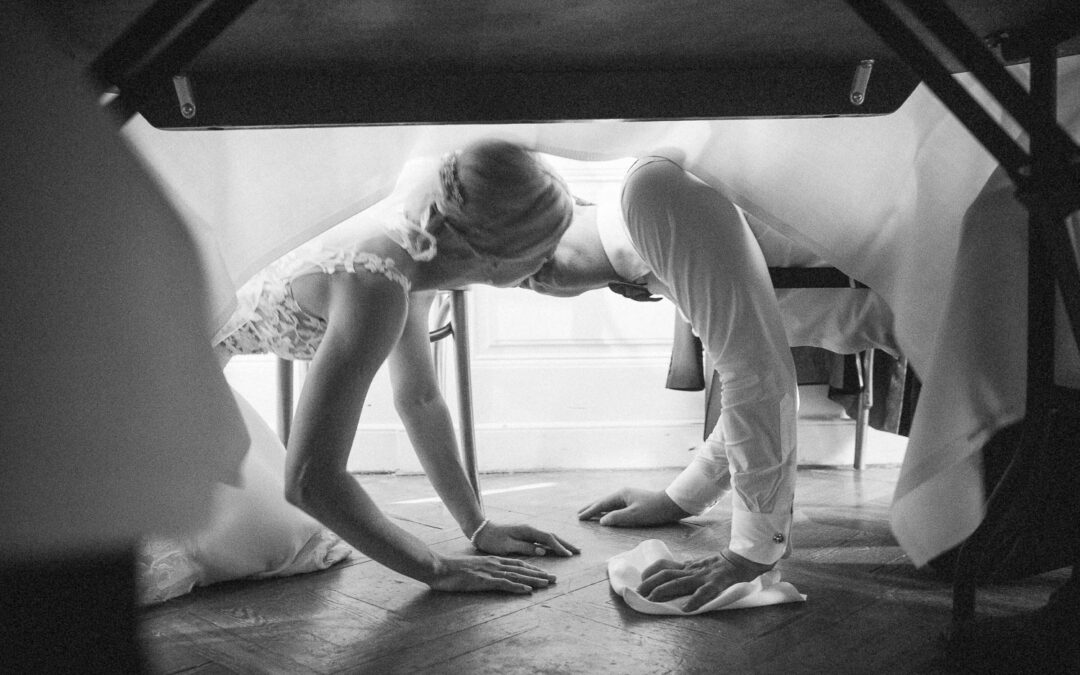
- The Kissing Games: Danes have playful rules about kissing at weddings. If guests start clinking their glasses with cutlery during dinner, it signals that the couple must stand up on their chairs and kiss . This can happen multiple times (with lots of laughter and photo-worthy smooches). Alternatively, if guests stamp their feet on the floor, the newlyweds have to crawl under the table and kiss beneath it ! These moments make for hilarious and memorable photos – imagine you in your gown and suit sneaking under a table for a kiss. A Danish photographer will be ready to capture it all.
- Bride/Groom Leaves the Room: Keep an eye when one of you goes to the restroom! In Denmark, the moment one partner is out of the room, all the guests line up to kiss the one still at the table. Male guests hurry to kiss the bride on the cheek, and female guests do the same for the groom . You might return to find your new spouse covered in lipstick marks. It’s all in good fun and yields adorable snapshots of everyone getting in on the love.
- The Bridal Waltz and the Sock Cutting: Danish newlyweds traditionally have their first dance (Brudevalsen) just before midnight, and it’s always a waltz. As you dance, guests encircle you, clapping and moving closer until you finish with a kiss in the tight center of the crowd – a very romantic photo moment. But immediately after, be prepared: the groom’s friends might suddenly lift him up, remove his shoes, and cut off the toes of his socks with scissors ! This quirky ritual symbolizes cutting away his single life (and jokes that now his wife will mend his socks). Photographers love this, as it’s a burst of energy and laughter – the expressions are priceless as it happens. Sometimes, the bride’s veil is snipped too (a variation of the tradition), though that’s less common. The key is that your photographer will know it’s coming (usually right after the dance) and be poised to snap the moment the scissors come out.
- Group Songs and Speeches: Danish wedding dinners are full of personal speeches and sing-alongs. At any point, someone might distribute song sheets and all guests will stand to serenade you with a custom-written song . These are often long and humorous; you’ll be smiling and possibly crying. A photographer will roam taking reactions – the tears in the parents’ eyes during a heartfelt speech, or your embarrassed giggle at a funny lyric. Unlike some countries where only a few toasts happen, in Denmark anyone can speak (they coordinate with a “toastmaster” who runs the order) . This means there could be numerous mini-events throughout the evening. A local photographer won’t pack up after the first dance – they know the schedule can be fluid and will usually stay until all the main traditions and dances are done, if that’s part of your agreed coverage.
- Confetti and Cakes: You might also encounter the tradition of throwing rice (or nowadays, flower petals or bubbles for eco-friendliness) when you exit the ceremony – a classic shot your photographer will get from outside the church or city hall. And note that Danish wedding cakes are often cut early in the party, sometimes right after dinner or even immediately post-ceremony in an afternoon reception . Cutting the cake together (always with both of you holding the knife) is said to ensure fertility and good luck . Your photographer will capture those frosting-smeared first bites.
These cultural nuances mean there’s never a dull moment to photograph. Make sure you discuss with your photographer which traditions you plan to include (some international couples embrace them all; others might skip).
If you’re not Danish, your photographer can also gently cue you when something is about to happen – e.g., whispering to you, “Stand on the chair now for a kiss,” when the tapping starts. They’ve seen it a hundred times, whereas it might catch you off guard.
From a practical standpoint, be ready to go along with the fun it’ll make for fantastic memories. And if there are any traditions you don’t want to happen, let your planner or toastmaster know so they can inform guests. For example, some brides might not want their expensive stockings cut along with the groom’s socks you can request to skip that. Otherwise, enjoy the spontaneity.
A Danish wedding photographer’s expertise is exactly in capturing these unscripted, joyous moments that reflect the local spirit. Later, when you flip through your album, you’ll be glad to have these shots whether it’s the two of you kissing under a table or the surprised look on your face as rice showers down.
Tips for Choosing the Right Danish Wedding Photographer
Choosing a photographer is one of the most important decisions for your wedding – after all, when the day is over, the photos are what remain. Here’s how to find “the one” (photographer, that is!) who is perfect for your Denmark wedding:
1. Define Your Preferred Style: Look at lots of wedding images and figure out what style speaks to you. Danish photographers range from light and airy to dark and moody, from traditional posed portraits to pure photojournalism. Decide if you love those crisp, minimalist Scandinavian shots or maybe a more dramatic, artistic flair. “Finding the style of photography you like is key” – a photographer’s portfolio is a preview of what your own photos will look like . Only shortlist photographers whose style makes you say “wow.” Whether it’s timeless elegance or a fun candid vibe, make sure their past work aligns with your vision.
2. Review Portfolios and Experience: Once you identify your style, dive deep into portfolios. Evaluate complete wedding galleries, not just the 10 best shots on Instagram. This gives you a sense of how they cover an entire day. Check if they’ve shot similar venues or scenarios (city hall elopement vs. big reception) – experience with your type of wedding is a plus. Many top Danish photographers have shot dozens if not hundreds of weddings, which means they know how to handle any lighting or weather. Experience can also mean someone who’s seen all the Danish traditions and won’t miss a beat. However, newer photographers can be talented too; if you consider one, ensure their portfolio shows consistency and that they have backup plans in place. Look for professionalism in how their website and communications come across.
3. Personality and Connection: This is huge – you’ll be spending one of the most intimate days of your life with this person following you around, so you need to actually like them! Choose a photographer you feel comfortable with, maybe someone who shares your energy. Do you want someone who’s upbeat and bubbly, or calm and soothing? During your initial call or meeting, gauge how they interact. “It is important to choose a photographer that you feel comfortable with, as you will be spending a significant amount of time with them on your wedding day.” If they make you laugh and put you at ease during a consult, you’ll likely feel that way when they’re clicking away on the day. On the other hand, if anything feels off or if communication is slow in the early stages, pay attention to those red flags. Trust and rapport are key.
4. Budget and Packages: Be upfront about your budget and see what photographers offer in that range. Prices in Denmark vary, as discussed, but you should have a figure in mind. Compare what each package includes – one might include an album or extra hours, justifying a higher fee. “Determine your budget… and look for someone whose prices fit within that range.” Keep in mind that photography is a lasting investment; it can be worth adjusting your budget to get the right person. If you really love a photographer who is slightly above budget, consider scaling back elsewhere or asking if they have a shorter package or mid-week rates. Many are willing to customize coverage to fit your needs. Also ask about payment plans if that helps.
5. Reviews and Recommendations: Hearing from past couples can provide valuable insight. Look for testimonials on the photographer’s site or on independent platforms. What do others say about working with them? Consistent praise for things like “quick to respond,” “blended in so well,” or “captured every important moment” is a great sign. You can also ask in forums (like expat groups or destination wedding communities) for any experiences with Photographer X. Word of mouth is powerful – if a friend or fellow bride/groom had a great Danish photographer, put them on your list. Conversely, if you come across any concerning reviews (every vendor might have one or two less-than-stellar stories), don’t hesitate to address them with the photographer and see how they respond. A solid professional will be transparent. Ultimately, choose someone with a strong reputation for both beautiful photos and happy clients .
6. Meet and Interview: Once you have a shortlist of one to three photographers, schedule a video chat or in-person meeting. This is often the decisive step. Prepare a few questions: Ask about how they work (will they be solo or bring an assistant? How do they handle low-light situations? Have they shot at your venue before?). Discuss your ideas and gauge their enthusiasm or input. This meeting is also to feel out their personality (see #3). Often, you’ll come away with a gut feeling about who is the right fit. As one Danish photographer advises: “Follow your gut and book only the photographer that feels right for you!” . If you find yourself smiling through the call and excited, that’s a great sign.
7. Book Early: Finally, if you’ve found your dream photographer, don’t delay in booking. The best photographers in Denmark (especially those popular with international couples) can get booked up 6–12 months in advance, particularly for summer dates . To avoid disappointment, reach out as soon as you have a date and venue. Most photographers will pencil you in or send a contract for your date; once you sign and pay the deposit, you’re all set. Checking this off early in your planning also gives you time to do that engagement session or simply build a relationship with them as the wedding approaches.
Choosing the right photographer might take some effort, but when you see your stunning Denmark wedding photos, you’ll know it was worth it. With these tips, you’re well on your way to finding a talented pro who will capture your day in a style you adore and make the experience enjoyable from start to finish.
Final Thoughts
A Danish wedding photographer offers more than just technical skill they bring a blend of Scandinavian artistic eye, professionalism, and local cultural knowledge that can greatly enrich your wedding photography in Denmark.
From the soft Nordic light that graces your portraits to the spontaneous traditions that spark unexpected photos, your photographer will be there to document it all. Good communication and planning will ensure you’re comfortable and that nothing important is missed, so you can relax and be fully present on your big day.
In the end, the right photographer will deliver a collection of images that tell the genuine story of your wedding – the big moments and the little details, the landscapes and the emotions all with that unique Danish flair. With this guide, you know what to expect and what to look for as you plan your destination wedding in Denmark.
Now all that’s left is to say “Ja!” (yes) and let them capture the magic of your love story in one of the most beautiful countries in the world. Skål to that, and happy planning!